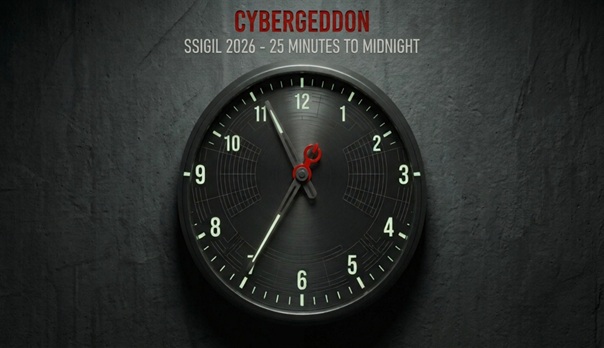
Who is responsible for damage caused by artificial intelligence when the perpetrator acts from outside Poland’s borders? International law has known the answer to this question for decades. The problem is that today it is difficult to enforce.

A Cyberattack Without a Culprit

Let us imagine the following scenario: a power plant in one country falls victim to a cyberattack initiated from outside its territory. The traces lead abroad, but the government of the state from whose territory the perpetrators operated denies everything. There is no international court to which one could immediately turn, and no independent investigator to establish the facts in a binding manner. What can a state, a company, or an individual internet user then do to obtain protection against increasingly effective cybercriminals using sophisticated algorithmic solutions and generative artificial intelligence? In practice, acting on the international legal plane is difficult, if not impossible. Any dispute over the attribution of a cyberattack ends up with politicians, diplomats, and the media, where it is settled not by law, but by geopolitical alliances, persuasive power, and reasons of state.

Rules That Already Exist

Yet the legal rules that should apply directly here have existed for a long time. Customary international law holds that states bear responsibility for damage caused to other subjects of international law, including when they merely allowed their territory to be used to cause such damage. A state is responsible even when it neither ordered nor controlled the harmful act itself, which is particularly important when attributing responsibility for digital operations, given the difficulty of verifying and attributing digital traces. As early as 1949, in the well-known Corfu Channel case, the International Court of Justice held that a state has an obligation not to allow its territory to be used to cause harm to others. These principles of state responsibility apply today also to cyberspace, as confirmed both by the work of the UN Group of Governmental Experts and by the 2024 declaration of the Council of the European Union on the common understanding of international law in cyberspace. International law therefore allows the principles of state responsibility for harmful acts using information technology or artificial intelligence to be defined with relative ease. The problem is the absence of a single institution capable of credibly investigating a specific allegation and issuing a determination that all parties would trust.

The Cost of an Institutional Gap

The absence of such an institution has real consequences. Unconfirmed accusations of a cyberattack are not verified today and are often played out politically. Alliances harden, divisions deepen, and tensions rise regardless of whether a violation of the law occurred. This is a mechanism well known from history: unconfirmed accusations and the absence of a neutral arbiter also escalated tensions a hundred years ago, pushing Europe to the brink of catastrophe. Today, the same dynamic is driven not by a diplomatic dispatch, but by an entry in a server log.

Artificial Intelligence Lowers the Threshold

Artificial intelligence complicates this scenario further by lowering the cost of carrying out a cyberattack or a disinformation campaign, whether sponsored by states or by private actors. Less and less in the way of resources and skills is needed to trigger a serious international incident. This evolution is occurring faster than international institutions are able to respond to it. In other words, the tools used to trigger crises are becoming cheaper, while the mechanisms for resolving them are not increasing in number.
Are We Helpless?

Does this mean that we are helpless? Not necessarily. International law has already encountered similar gaps, clear rules in force alongside inadequate mechanisms for their enforcement, for instance in the protection of seas and oceans or in the law of armed conflict. This occurred before specialized courts and tribunals were established, and over time these gaps were closed through the interpretation of existing norms and principles of international law. The question is how quickly this can be achieved this time, given the pace of development of artificial intelligence and the deepening geopolitical divide.

Trust Instead of Treaties

Before new treaties and tribunals emerge, a distinct role must be played by others: the academic community, non-governmental organizations, the technology sector, and business. These actors can already build independent, multistakeholder mechanisms for verifying events and their circumstances, mechanisms that will not replace future treaty-based solutions but can precede them and feed them with knowledge and practice. These are the actors that can invest in training young experts, so that they are ready to work on effective solutions before the next serious international crisis breaks out. And it is they who can help conduct dialogue between states, business, and academia, building trust where formal institutions are currently lacking.

A Model That Already Works

It is worth emphasizing that this is not an abstract postulate. The multistakeholder model of internet governance, in which decisions concerning network infrastructure are taken jointly by governments, the private sector, the technical community, and civil society, has been functioning for more than two decades, both within the United Nations and beyond it. It has produced real solutions where classical interstate diplomacy proved too slow. This experience can, and should, be transferred to the area of responsibility for cyberattacks. It is precisely this role, building trust and capacity before diplomats and legislators do so, that we wish to examine during this year’s edition of the European Forum for New Ideas in Sopot.

The SSIGIL Report: Twenty-Five Minutes to Midnight

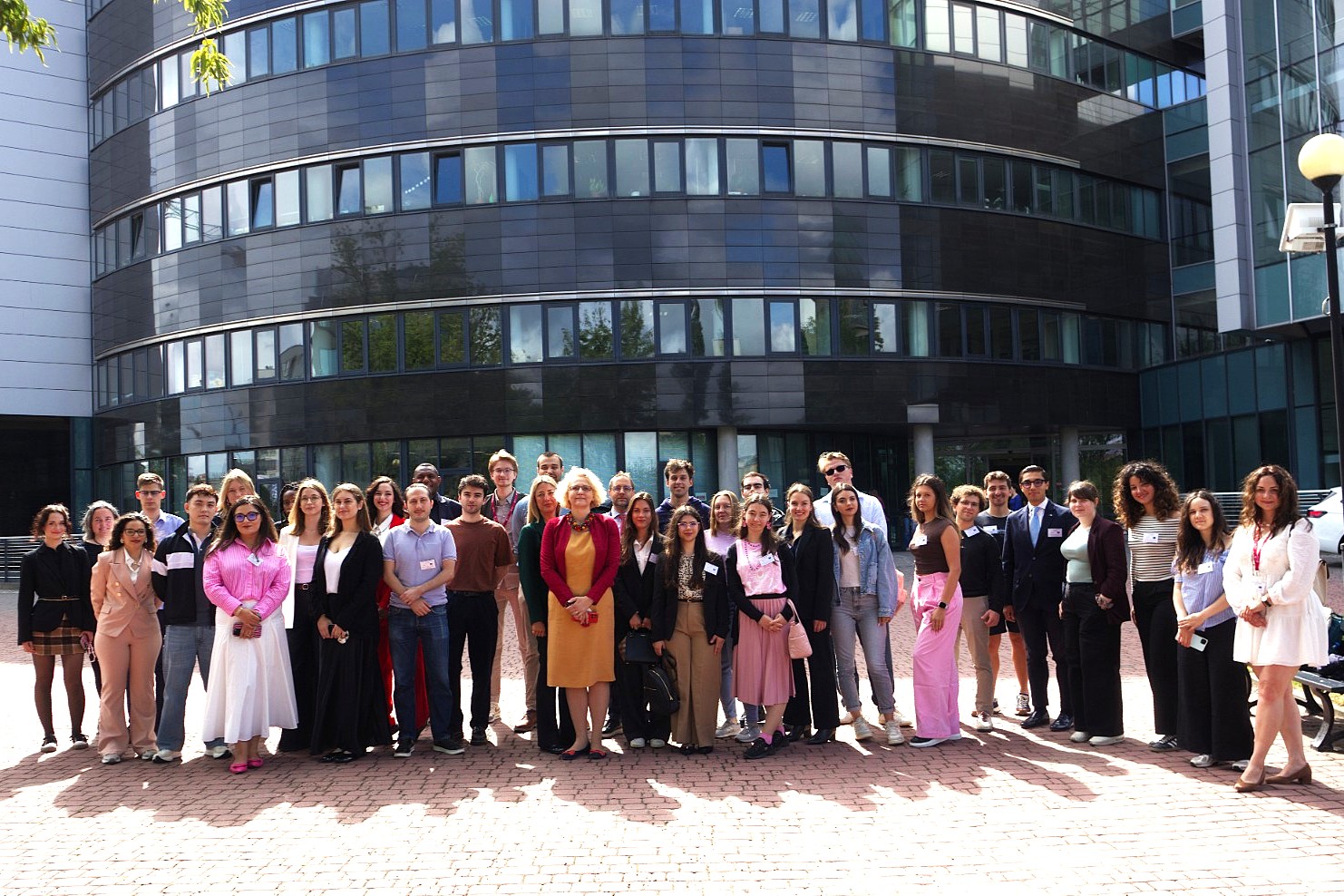
Where do these conclusions come from? They follow, among other things, directly from a report preceded by a week of intensive work by young researchers in international law from five European countries, who met at the Faculty of Law and Administration of the University of Lodz as part of the Summer School on Internet Governance and International Law (SSIGIL). Over five days, they took on the roles of state representatives, confronting realistic scenarios of cross-border cyberattacks of undetermined origin, and jointly attempting to answer the question of who should be responsible for such an attack, and how. The programme was carried out under the EU’s Erasmus+ Blended Intensive Programme, in cooperation with partner universities from Italy, Luxembourg, Lithuania, and Romania.

The result of this work is the report “Twenty-Five Minutes to Midnight: The Accountability Gap”, published by the Centre for International Law in Cyberspace Research “Lodz Cyber Hub” at the Department of International Law and International Relations of the Faculty of Law and Administration of the University of Lodz, edited by Jason Bonsall and dr Joanna Kulesza. The title refers to the Doomsday Clock and makes clear that less than half an hour remains before a digital Armageddon. This is at once a great deal of time, and very little, in which to put in place effective international solutions. The SSIGIL summer school, now in its third edition, strengthens the position of the University of Lodz as one of Europe’s leading centres for training young international lawyers, and the position developed in Lodz will be presented at the December session of the UN Internet Governance Forum (IGF 2026) in Nairobi.

Full SSIGIL26 report  and more information.


Dr Joanna Kulesza, University of Lodz


Main image: SSIGIL Clock, graphic by Renato Di Stefano
Poland needs a long‑term health strategy — only then can healthcare become a driver of economic growth and a guarantee of national security.

From the perspective of innovative pharmaceutical companies, we observe numerous challenges currently facing the healthcare system. Polish society, following the broader European trend, is steadily aging, and the number of cancers and other lifestyle-related diseases is increasing. At the same time, national policy is drawing attention to the need to focus on issues of security and state stability in a dynamic geopolitical situation.

Public health is also an element of national security. The COVID-19 pandemic showed how important cooperation between industry, and the healthcare system is. To support economic growth and increase tax revenues, European countries must invest in citizens’ health and well‑being. It is necessary to create a comprehensive, resilient healthcare system that will prevent disease, treat it, and also provide care after treatment ends — in this context, recently announced priorities of the Ministry of Health, such as digitization, e-registration, prevention, and improved quality of communication with patients, are intended to help achieve these goals and tangibly increase patient safety and comfort.

A key element appearing in most expert recommendations in healthcare is a shift of emphasis from treatment to prevention and the promotion of a healthy lifestyle. Economic studies show clearly — each unit of capital invested in prevention yields a fourteenfold return in economic benefits. Screening programs, actions supporting smoking cessation, or proactive initiatives in physical activity can significantly reduce sickness absence and raise worker productivity. Preventive vaccinations, including HPV prevention, are a key investment in public health. Experts recommend expanding the cohort in Preventive Vaccination Programme to ages 9–18 — an action that will increase the effectiveness of the program to eliminate certain diseases caused by the HPV virus, including cervical cancer. We must ensure a high vaccination rate through easy access, reliable education, and continuous monitoring of outcomes. Preventing HPV‑related cancers is not only a public health issue but also an opportunity to meaningfully reduce costs for the healthcare system associated with cancer treatment. Meanwhile, in Poland we still allocate too little funding to preventive actions — for example, vaccinations account for only 2% of health expenditures.

According to the law, health spending should amount to 7% of GDP — this target has not been achieved so far. Additionally, the “t‑2” mechanism, which links expenditures to the GDP indicator from two years earlier, impedes a rapid response to the system’s needs. Experts estimate that although planned health expenditures for next year, calculated according to the statutory methodology, will amount to 6.83% of GDP, if one compares GDP and expenditures from the same year (as is done in international comparisons and analyses of defense spending), health spending will reach 5.97% of GDP. We need more flexible and predictable financing mechanisms and instruments that support prevention and innovation.

Author: Justin Gandy, Managing Director, MSD Polska

Response to Demographic Challenges and Labor Shortages

The demographics of Central and Eastern Europe leave little room for doubt — societies are aging, birth rates remain low, and economic emigration continues to weaken local labor markets.

In response to these challenges, the vast majority of CEE countries — including Poland, Czech Republic, Slovakia, Hungary, Romania, and Bulgaria — are already undertaking a variety of actions aimed at attracting and retaining talent.

We invite you to explore the latest Vialto Partners Poland report, which discusses not only recent legislative and market developments but, more importantly, outlines the strategic directions that CEE countries should take to not only respond to the demographic crisis — but to turn it into an opportunity.

The Vialto Partners Poland report focuses on selected key areas including immigration, tax, and social security policies being implemented across CEE to effectively compete for global talent, such as:

🔹 Immigration incentive mechanisms – including digital nomad visas, simplified procedures for skilled workers, preferences for strategic sectors (e.g. IT, healthcare), facilitated access for Blue Card holders, as well as integration programs and selective recruitment models.

🔹 Tax and compensation solutions – comparing PIT rates, tax-free amounts, and minimum wages across the region, including attractive incentives for newcomers (e.g. Poland’s “return relief” scheme).

🔹 Net salary competitiveness – data showing how CEE countries rank in terms of tax attractiveness for both employees and employers, taking into account labor costs and fiscal burdens.

🔹 Pension systems under pressure – analysis of how demographic trends impact the long-term sustainability of pension systems, and examples of reforms such as raising the retirement age, expanding private pension funds, and introducing incentives for working retirees.

🔹 Czech Republic case study – highlighting one of the most progressive approaches in the region to activating older workers: flexible employment models, lifelong learning, and development of age-friendly infrastructure.

Authors:

Jadwiga Chorazka, Emilia Piechota, Joanna Narkiewicz-Tarlowska, Grzegorz Ogorek – Vialto Partners Poland

Poland’s presidency in the Council of the European Union necessitates that the Polish Confederation Lewiatan – the leading Polish employers’ organization – actively engages in the debate on the priorities of our presidency. As a result, a special edition of the European Forum for New Ideas has been conceived. This edition will focus on the future of work and the labor market and will take place on April 15–16 in Warsaw. EFNI Spring will be organized independently from the October edition of EFNI, which is held in Sopot.

The date has been carefully chosen: the conference will follow an informal meeting of European labor ministers (EPSCO) in Warsaw, and the transformation of European (and global) labor markets is one of the key priorities of Poland’s EU Council presidency. During the April event, we will examine these issues from a broad perspective. The key topics of the planned discussions include:

  • challenges before the European labor market,
  • impact of the digital transformation – including AI – on employment
  • ways of ensuring the equality of opportunity on the job market in the context of the economic backdrop,
  • managing migration and attracting global talent to Europe,
  • empowering underrepresented groups in the workforce,
  • migration challenges and their impact on the future of work,
  • generational dialogue and the role of Gen Z
  • factors influencing European competitiveness
  • the skillset of the future,
  • importance of social dialogue and conditions for achieving cohesion, equality and integration in the labor market.

EFNI Spring will be held under the official patronage of Poland’s presidency in the Council of the European Union, as well as the Polish Minister of Family, Labor, and Social Policy, Agnieszka Dziemianowicz-Bąk. Magdalena Sobkowiak-Czarnecka, Undersecretary of State for European Union Affairs at the Prime Minister’s Office, has also confirmed her participation.

“There’s a slew of issues to unpack, including demographic crisis and labor shortages that put economic migration in the forefront. On the other hand we face a rapid technological transformation – robotization, automatization and artificial intelligence – and its impact on the job market: creation of new jobs and opening of new areas of discussion, from qualifications and skills of the future, to new regulations like platform work, completely fresh modes of working, and increasing competitiveness”, says Henryka Bochniarz, PhD, Chair of the General Council, Polish Confederation Lewiatan and the creator of EFNI.

The debates will include a philosophical discussion on the meaning of work, as well as a panel exploring women’s perspectives on the labor market. Beyond a broad range of discussions on the future of work, EFNI Spring will also support Poland’s priorities during its presidency in the EU Council. Only through dialogue can common ground be reached, ensuring that the voice of European business influences key areas concerning the future of Europe and addresses current economic and civilizational challenges.

“From the European point of view all these issues and challenges must be the subject of civic debate – that’s our European way of finding solutions and compromises”, Maciej Witucki, Lewiatan’s president, adds.

„During the 14 years since its inception, EFNI became one of the key economic and business events in this part of Europe. The first edition of the Forum took place during Poland’s first presidency in the EU Council back in 2011. It’s only natural that we now want to support Polish presidency once more. Europe needs a dialogue on the challenges the labor market faces – and the voice of business must be heard in this dialogue”, says Bochniarz.

European Forum For New Ideas – Spring 2025
Future of work, work of the future
Warsaw, Sofitel Warsaw Victoria hotel
April 15th-16th


Register >>

Media registration >>

The thirteenth edition of the European Forum for New Ideas will take place between 16th and 18th of October 2024 – as always in Sopot. EFNI is one of the biggest business conferences in this part of the continent, dedicated to global trends, new ideas and the future of Europe. It serves as a platform for dialogue and thought exchange between the leading representatives of the worlds of business, science, culture, decision-makers, opinion leaders as well as members of the local, public and European administration. Each year, the Forum gathers around a thousand participants each year.

This year’s edition will once more be held in the Radisson Blu hotel in Sopot. A rich and diverse program will include panel debates divided into five thematic tracks:

  1. Europe in a sustainable world,
  2.  Europe during the election year,
  3. Europe on the global markets,
  4. Europe and digital transformation,
  5. Europe and the green transformation.

Additionally, the Forum will host EFNI Talks discussions, Night Owl conversations, meetings with book authors and a lot more.

EFNI 2024 will be a special one for one additional reason: the celebration of the 25th anniversary of Polish Confederation Lewiatan, the organizers of the Forum – in cooperation with BusinessEurope and the city of Sopot.

More details on the EFNI 2024 agenda to follow.

Register today!

Wokół dylematu „Czy technologia uratuje świat?” skupią się uczestnicy paneli ścieżki technologicznej tegorocznego Europejskiego Forum Nowych Idei.

W jaki sposób innowacje cyfrowe mogą wspierać rozwój i dobrobyt? Czy staną się źródłem spektakularnych sukcesów i prosperity, czy też niosą ze sobą zagrożenia, być może takie, których jeszcze nie sposób przewidzieć? Jak sztuczna inteligencja wpłynie na relacje społeczne i miejsca pracy? Czy e-commerce znosi dziś bariery, które istnieją w przypadku tradycyjnego biznesu? Wreszcie, jakich kompetencji będzie oczekiwać biznes od pracowników w najbliższej przyszłości. Czy przeniesiemy się wkrótce do świata wirtualnego oraz — kto powinien zadbać o nasze cyberbezpieczeństwo? To tylko niektóre z pytań, na które spróbujemy odpowiedzieć na tegorocznym EFNI podczas wydarzeń ze ścieżki tematycznej „Czy technologia ocali świat?”.

Przyjrzymy się barierom technologicznym ważącym o przyszłości i tempie rozwoju metawersum oraz sposobom monetyzacji tego przedsięwzięcia. Pomówimy także o ekspansji międzynarodowej na rynkach cyfrowych: w jaki sposób rozwiązania digitalowe – zyskujące na znaczeniu dzięki transformacji cyfrowej, która obejmuje już niemal wszystkie obszary, mogą wspierać dążenia firm do wejścia na zagraniczne rynki. Zastanowimy się także nad tym, jak konkurować w czasach algorytmów i sztucznej inteligencji, wykorzystując efektywnie szanse płynące z rozwiązań technologicznych.

Więcej informacji dotyczących wydarzeń odbywających się podczas EFNI 2022 wkrótce. Do dyskusji o tym, co będzie jutro, możesz włączyć się już dziś.

Żyjemy i działamy w czasach pandemii, wojny w Ukrainie, kryzysów ekonomicznych. Tym tematom poświęcony będzie trzeci blok tegorocznego EFNI. Podyskutujemy także, czy możliwe jest odejście od gotówki.

XI edycja Europejskiego Forum Nowych Idei podzielona będzie na cztery ścieżki tematyczne. Wydarzenia związane z ekonomią zebrane będą pod hasłem „Gospodarka – nadmiar czy umiar?”.

Poza szukaniem odpowiedzi na postawione w tytule pytanie, zastanowimy się przede wszystkim, jakie wnioski płyną z doświadczeń pandemicznych oraz innych kryzysów ekonomicznych i finansowych. Porozmawiamy także o tym, czy biznes może sobie radzić bez wsparcia państwa i wspólnot oraz o tym, jaki model rynku sprawdzi się w trudnej przecież do przewidzenia przyszłości.

Przyjrzymy się również temu, jak zapobiec problemom z łańcuchami dostaw, których świat doświadczył w czasach pandemii. Przeanalizujemy zmiany na rynku pracy zachodzące w ostatnich latach. Zajmiemy się rynkami finansowymi w dobie niepewności, przybliżymy, jaki może być konsument przyszłości.

Spróbujemy także wspólnie odpowiedzieć na pytanie, czy czeka nas zmierzch gotówki. Zjawiska społeczne i gospodarcze ostatnich lat i miesięcy determinują zmianę w postaci odejścia od gotówki. Czy będzie ona trwała? Czas pandemii i związanych z nią obostrzeń sprzyjał rozwiązaniom redukującym kontakt z gotówką i bezpośrednie transakcje między ludźmi na rzecz szeregu rozwiązań cyfrowych. Wzmocniło to wiele innych trendów, jak choćby wzrost wartości e-commerce w Polsce. Zastanowimy się, czy wzorem innych państw, jak Szwecja czy Dania, konsument będzie coraz rzadziej mieć kontakt z gotówką, które z trendów już dziś dostrzegalnych staną się praktyką rynkową. Przyjrzymy się też konsekwencjom dla dostawców usług cyfrowych.

Więcej szczegółów dotyczących programu i gości EFNI 2022 już wkrótce. Dołącz do nas w Sopocie między 12 a 14 października podczas dyskusji o tym, co będzie jutro.

Paliwa kopalne a OZE, przyszłość wodoru i energii atomowej czy korzyści i wyzwania dla biznesu związane z przechodzeniem na zieloną energię – będą motywem debat w bloku tematyki zielonej transformacji.

Podobnie jak w minionych latach także tegoroczne EFNI podzielone zostało na cztery bloki tematyczne. Jednym z nich będzie „Zielony horyzont 2050”.

Hasło to obejmie tematykę szeroko rozumianej zielonej transformacji, a więc głównie zaproponowanej przez europejską wspólnotę neutralności klimatycznej, którą należy osiągnąć najpóźniej w połowie stulecia.

Czy jesteśmy w stanie paliwa kopalne zastąpić OZE? Jak finansować potężne inwestycje? Jaka jest przyszłość czystego wodoru i energii atomowej? W jaki sposób płynnie odejść od rosyjskich źródeł i dokonać sprawnej dywersyfikacji na skalę całej UE? Czy wojna w Ukrainie zakłóci bądź opóźni ambitne plany Europy?

Podczas wydarzeń z bloku tematycznego „Zielony Horyzont 2050” będziemy wspólnie szukać odpowiedzi na te pytania. Porozmawiamy także o korzyściach i wyzwaniach dla biznesu związanych z przechodzeniem na zieloną energię, Fit for 55, Zielonym Ładzie i wynikających z nich konsekwencjach energetycznych dla przemysłu obecnego na polskim rynku oraz o zero-emisyjnym biznesie tworzącym neutralne produkty i usługi. Przedstawimy też stan regulacji prawnych w Polsce oraz w kontekście porządku europejskiego.

Wkrótce dostaniecie dodatkowe informacje dotyczące wydarzeń odbywających się w ramach tegorocznego EFNI.

Europa, którą pamiętamy sprzed 20 czy nawet 10 lat jest już tylko wspomnieniem. Wojna w Ukrainie, rosnące napięcia międzynarodowe stawiają nas w zupełnie nowej sytuacji i każą zadać pytanie – czy Europie potrzebny jest wielki reset? Będziemy o tym rozmawiać na EFNI.

Obywające się ramach tej ścieżki tematycznej debaty skupią się na tematach geopolitycznych oraz szeroko rozumianych wyzwaniach społecznych i cywilizacyjnych. Będziemy rozmawiać o kwestiach dotyczących państw i społeczeństw. W centrum uwagi pozostanie jednak człowiek. Wątki humanistyczne mają zawsze ważne miejsce na EFNI. Choć koncentrujemy się na perspektywie europejskiej, nie zapominamy o kluczowych wyzwaniach mających skalę globalną bądź odnoszącą się do innych regionów świata.

Podobnie jak w przypadku całego Forum, nacisk położony zostanie na niepewność – gospodarczą, polityczną czy społeczną. W otwierającej tegoroczne EFNI debacie prof. John Keane, wraz z prof. Radosławem Markowskim i zaproszonymi panelistami podejmie kwestie najbardziej palące z perspektywy potrzeb biznesu oraz powinności państwa i wspólnot. Nie zabraknie także rozmów na temat wojny w Ukrainie, jej konsekwencji i kontekstu geopolitycznego oraz wpływu na polski i europejski rynek pracy.

Tegoroczne EFNI będzie także miejscem Forum Bałtyckiego – areny rozmów o rozwoju państw, regionów i miast basenu Morza Bałtyckiego. Będziemy rozmawiać o perspektywach na przyszłość, barierach i potrzebach, a także o czynnikach zewnętrznych, takich jak wojna, dywersyfikacja źródeł energii czy zerwanie łańcuchów dostaw. Wspólnie spróbujemy odpowiedzieć na pytanie: co determinuje kierunki współpracy? Przyjrzymy się także relacjom na linii USA-UE i roli Polski w transatlantyckiej układance.

Więcej szczegółów dotyczących programu tegorocznego Europejskiego Forum Nowych Idei oraz zaproszonych gości już wkrótce. Włącz się do rozmowy o tym, co będzie jutro – zarejestruj się już dziś!

Niewiele było momentów w jedenastoletniej historii Europejskiego Forum Nowych Idei (EFNI) , kiedy świat znajdował się w czasie takiej niepewności, jak obecnie. Pytanie EFNI: #CoBędzieJutro, ale również – co możemy zrobić dziś – dawno nie było tak ważne.

Jakiego potrzebujemy przywództwa na nowe czasy? Jak współpracę międzynarodową determinuje dziś agresja Rosji na Ukrainę? Co z zieloną transformacją? Jaki wpływ na konsumpcję ma wojna, pandemia?

Będziemy o tym rozmawiać już wkrótce – pomiędzy 12 a 14 października w Sopocie, podczas czterech bloków tematycznych:
– Europa, czy potrzebny jest wielki reset?
– Gospodarka – nadmiar czy umiar?
– Zielony horyzont 2050
– Czy technologia uratuje świat?

– Podczas tegorocznego EFNI  dominować będą wyzwania, jakie wobec, państw, wspólnot, gospodarki i rynków wywołuje szeroko rozumiana niepewność. W najbliższych latach ta niepewność nas nie opuści  i musimy się do niej przyzwyczaić – mówi dr Henryka Bochniarz, przewodnicząca Rady Głównej Konfederacji Lewiatan.

Więcej szczegółów dotyczących programu, wydarzeń towarzyszących oraz gości EFNI 2022 już wkrótce. Dołącz do nas w Sopocie podczas rozmowy o tym #CoBędzieJutro.

 Obok wykładów i paneli na naszych gości czeka szereg imprez towarzyszących oraz networkingowych, takich jak np. nowy format EFNI Talks czy rozmowy Nocnych Marków.

Podczas ostatniej edycji EFNI ponad 1100 osób z kilkunastu krajów, w tym wybitni ekonomiści, liderzy biznesu i naukowcy, spotkało się biorąc udział w kilkudziesięciu debatach, panelach, spotkaniach otwartych i rozmowach.

Europejskie Forum Nowych Idei organizowane jest od 2011 roku przez Konfederację Lewiatan przy współudziale BusinessEurope oraz miasta Sopot.

 —

Partnerami strategicznymi EFNI 2022 są Orange, Meta i EY. Partnerzy główni: Allegro, BASF, British American , BNP Paribas, BOSCH, CitiHandlowy, Google, Grabowski i Wspólnicy Kancelaria Radców Prawnych, IKEA, Invest in Pomerania, Samorząd Województwa Pomorskiego, Stellantis, Volkswagen Poznań, Związek Pracodawców Motoryzacji i Artykułów Przemysłowych, Związek Pracodawców Prywatnych Energetyki, Grupa Luxmed.

Partnerzy wspierający: Amazon, Autopay, Benefit Systems, Bank Ochrony Środowiska, Clear Air Fund, Detusche Bank, TIER, Tik Tok, Uniwersytet Łódzki, Zakład Ubezpieczeń Społecznych, Lafarge, Miasto Gdynia, Radisson Blu, L’Oreal, Otodom, Château Isolette, Bayer, Żabka, Fundacja Polska Bezgotówkowa, Kincentric oraz 3M.

Patronami merytorycznymi są: Centrum Stosunków Międzynarodowych, ThinkTank oraz Fundusze Norweskie.

Głównym patronem medialnym jest Money.pl. Medialnie wspierają nas także: AMS, Biznes 24, ChilliZet, ISBNews, My Company Polska, Polska Agencja Prasowa, Puls Biznesu, Warsaw Business Journal.

Newsletter

Nie przegap najważniejszych informacji o EFNI

Program, prelegenci, wydarzenia towarzyszące – zapisz się na newsletter i bądź na bieżąco.